


Grundfos Solar Pump Systems Explained
- gosolarmart
- Mar 30
- 5 min read
When it comes to reliable water pumping solutions powered by the sun, solar pump systems have become a game-changer. Whether you’re managing a farm, running a business, or simply ensuring your home has a steady water supply, these systems offer a smart, eco-friendly alternative to traditional pumps. Today, I want to walk you through the essentials of Grundfos solar pump systems, helping you understand how they work, why they’re beneficial, and how you can make the most of them.
What Are Solar Pump Systems?
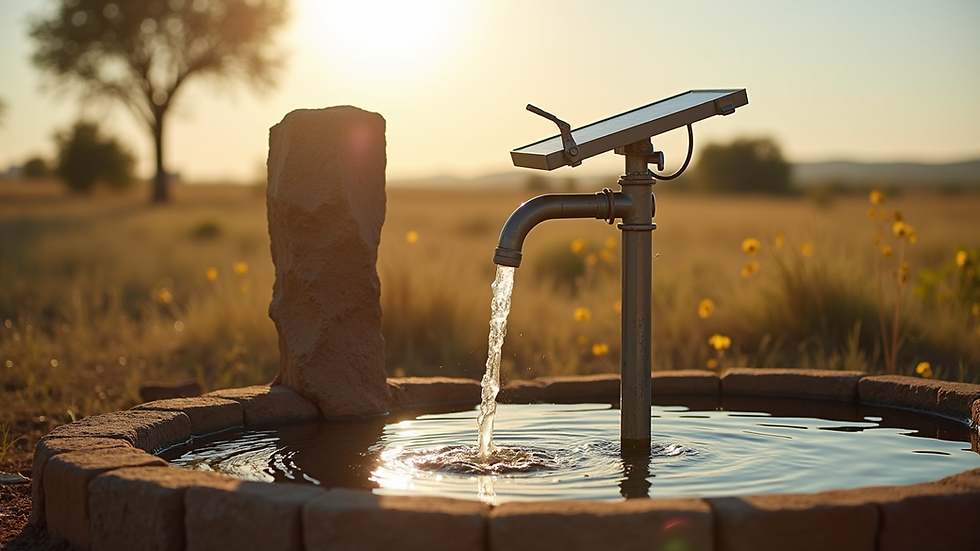
Solar pump systems use energy from the sun to power water pumps. Instead of relying on electricity from the grid or fuel-powered engines, these pumps run on solar panels that convert sunlight into electricity. This means you get a clean, sustainable source of power that can operate in remote areas without access to traditional energy.
At their core, solar pump systems consist of three main parts:
Solar panels: Capture sunlight and convert it into electrical energy.
Pump controller: Regulates the power from the panels to the pump.
Water pump: Moves water from a source like a well, river, or storage tank.
The beauty of these systems is their simplicity and efficiency. They can be installed in places where electricity is unreliable or unavailable, making them perfect for many parts of Africa, including Nigeria.

Why Choose Solar Pump Systems?
You might wonder why solar pump systems are gaining popularity. Here are some clear reasons that make them a smart choice:
Cost savings: After the initial investment, solar pumps have very low operating costs since sunlight is free.
Environmentally friendly: They produce no emissions, helping reduce your carbon footprint.
Low maintenance: With fewer moving parts and no fuel, maintenance is simpler and less frequent.
Reliable water supply: Solar pumps can work in remote areas without grid electricity, ensuring you have water when you need it.
Long-term investment: Solar technology has improved, and many systems come with warranties that guarantee years of service.
For example, a farmer in a rural area can use a solar pump to irrigate crops without worrying about fuel costs or power outages. Similarly, a business can maintain a steady water supply for operations without depending on unreliable electricity.
How Grundfos Solar Pump Systems Work
Grundfos is a trusted name in water technology, and their solar pump systems are designed with efficiency and durability in mind. Here’s a simple breakdown of how these systems operate:
Sunlight hits the solar panels: The panels convert sunlight into direct current (DC) electricity.
Electricity flows to the pump controller: This device manages the power, ensuring the pump runs smoothly and protects it from damage.
Pump activates: The pump uses the electricity to draw water from the source and deliver it where needed.
Water is supplied: Whether it’s for irrigation, livestock, or household use, the water flows reliably.
One of the standout features of Grundfos solar pumps is their ability to adjust to varying sunlight conditions. On cloudy days or during early mornings and late afternoons, the pump automatically adapts its speed to maximize water output without wasting energy.
Choosing the Right Solar Pump System for Your Needs
Picking the right solar pump system depends on several factors. Here’s what you should consider:
Water source and depth: How far and deep is your water source? This affects the pump type and power needed.
Water volume required: Calculate how much water you need daily for irrigation, livestock, or household use.
Sunlight availability: Assess the average sunlight hours in your location to size your solar panels correctly.
Pump type: Grundfos offers submersible pumps for deep wells and surface pumps for shallow water sources.
Budget: While solar pumps save money over time, initial costs vary based on system size and features.
For instance, if you have a deep borehole, a submersible pump with a powerful motor and larger solar array might be necessary. On the other hand, a shallow well or river might only require a surface pump with moderate power.
To make the best choice, it’s helpful to consult with a solar energy provider who understands local conditions and can tailor a system to your specific needs.
Installation and Maintenance Tips
Installing a solar pump system might seem daunting, but with the right guidance, it’s straightforward. Here are some tips to keep in mind:
Site selection: Place solar panels where they get maximum sunlight, free from shade by trees or buildings.
Secure mounting: Panels should be firmly mounted to withstand wind and weather.
Proper wiring: Use quality cables and connectors to ensure safety and efficiency.
Pump placement: For submersible pumps, ensure they are fully submerged and positioned correctly in the water source.
Regular cleaning: Keep solar panels clean from dust and debris to maintain performance.
Check connections: Periodically inspect wiring and connections for wear or damage.
Monitor system performance: Use any available monitoring tools to track water output and energy use.
By following these steps, you can enjoy years of trouble-free operation. Remember, a well-maintained system is a happy system.
Why Invest in Grundfos Solar Pump Systems?
If you’re considering solar pumps, you might want to explore grundfos solar pump systems specifically. Grundfos combines cutting-edge technology with robust design, making their pumps reliable even in challenging environments.
Their systems are designed to:
Handle varying water demands efficiently.
Operate smoothly with minimal noise.
Resist corrosion and wear, extending lifespan.
Integrate easily with existing solar setups.
For homeowners and businesses in Africa, especially Nigeria, this means you get a solution that’s built to last and perform well under local conditions. Plus, Grundfos offers excellent customer support and service options, which can be a big help when setting up or troubleshooting your system.
Making the Switch to Solar Pumps
Switching to solar pump systems is not just about technology; it’s about embracing a sustainable lifestyle that benefits your wallet and the planet. Here’s how you can get started:
Assess your water needs: Understand how much water you use and when.
Evaluate your site: Check sunlight availability and water source details.
Consult experts: Reach out to solar energy providers who can recommend the right system.
Plan your budget: Consider upfront costs and long-term savings.
Install professionally: Ensure proper setup for maximum efficiency.
Maintain regularly: Keep your system clean and check for issues.
By taking these steps, you’ll enjoy a reliable water supply powered by the sun, reducing your dependence on costly and polluting energy sources.
Solar pump systems are more than just a trend - they’re a practical solution for water management in sunny regions. With the right system, like those from Grundfos, you can harness the power of the sun to keep your water flowing smoothly and sustainably. Whether for your home or business, investing in solar pumps is a step toward a brighter, greener future.


Comments